

Spot On Activation Conference 2026
Women's sports is not behind. It's early. That changes everything.
This is not a talk about how women's sports is finally getting the attention it deserves. It is not about inspiring growth numbers. And it is not about telling brands they should invest because it is the right thing to do.
I am not here to make the moral case for women's sports. I am here to make the business case for building it differently.
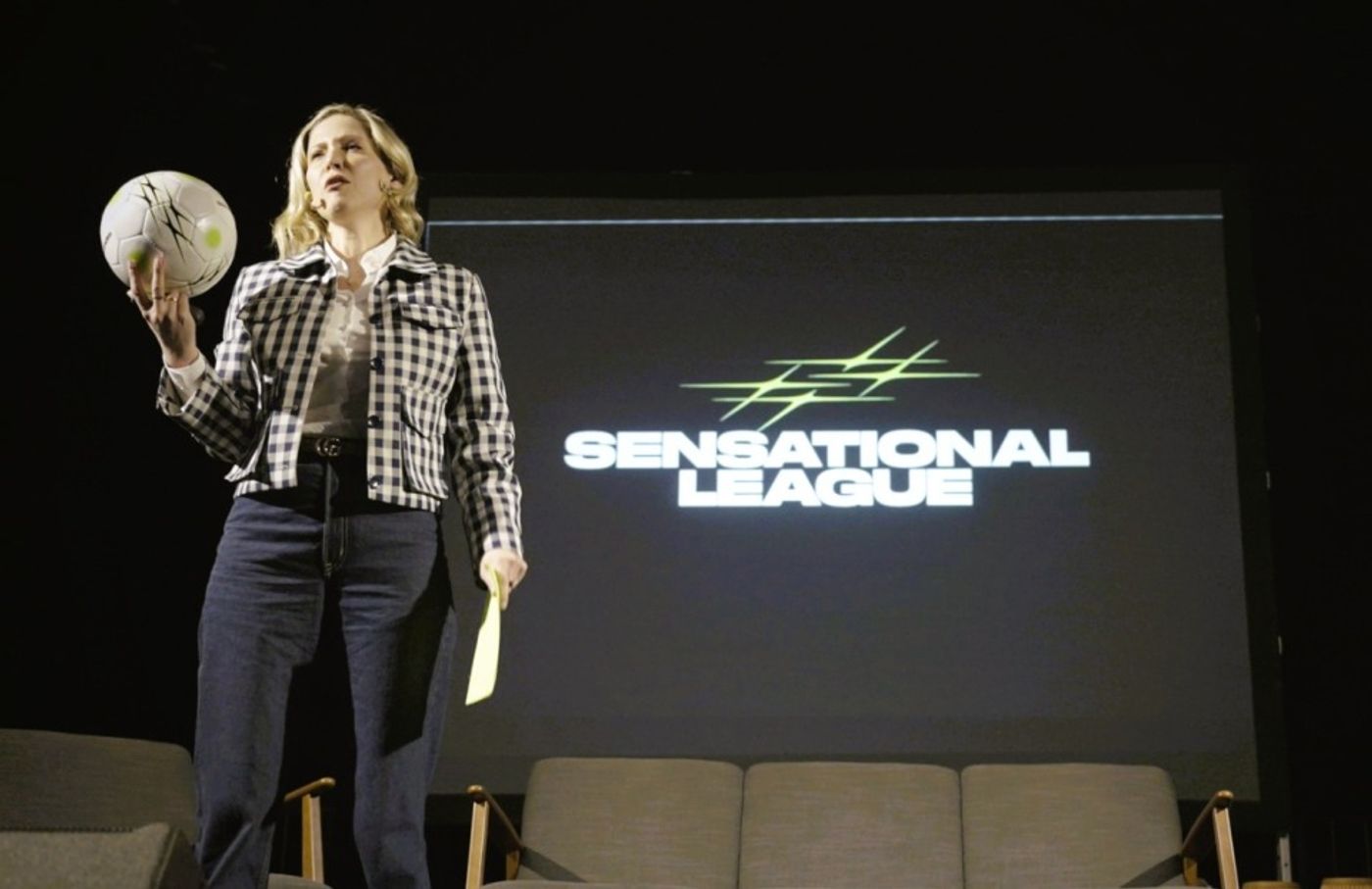
01 Under Pressure
The system is built to protect itself.
Twenty years inside established sports institutions: Olympic bids, UEFA Champions League finals, FIBA World Cups, Euroleague, 80 million euros in sports deals across Europe and the Middle East. This taught one clear lesson:
The system is good at protecting itself. Changing it takes forever.
Sports once sat in a protected position. Stadiums were full. Rights fees went up every cycle. Fans had nowhere else to go on a Saturday afternoon.
That is over.
Sport now competes for attention in an open market. Against TikTok, Netflix, gaming, music. Against platforms built for constant consumption, not scheduled viewing. The 90-minute broadcast window, the season ticket, the weekly fixture. These formats were built for a different world.
The average person now spends more than six hours a day consuming digital media. YouTube has over 2.5 billion monthly users. Gen Z watches more social and streaming content than live TV. That is not a trend. It is done.
02 The Outlier Trap
Stop benchmarking against properties you will never be.
When organisations build investment cases in sport, who are they using as the reference point?
Real Madrid. Manchester City. The NFL. Formula 1.
These are global entertainment and IP businesses that have used sport as their main asset for over a century. Their value comes from scarcity and global reach. Sovereign wealth funds invest in them because they function like luxury assets. The commercial logic is completely different from everything else in sport.
The clubs at the top are not just bigger. They have access to sovereign wealth funds, debt instruments, and global IP licensing that most of sport will never touch. Deloitte puts their combined revenue at over 10 billion euros. The commercial logic is structurally different from everything else in sport.
Most sports businesses do not have those tools. They need a different model.
Mid-tier clubs benchmark against Barcelona. Women's sports properties wait for the broadcast rights moment that worked for the Premier League. Emerging leagues measure themselves against properties a hundred years old.
That is the wrong map. The wrong map gets you lost.
The more interesting question: what does a sports business look like when you build it like a company in 2026?
It starts with knowing who your customer is. Which fans, on which platforms, spending money on what. And who is not yet in the room, because there are entire fan groups sport has historically underserved. Women. Gen Z. Digitally native audiences who don't have sports products built with them in mind. A massive market opportunity sitting in plain sight.
Then it is about building real revenue: digital subscriptions, content licensing, creator partnerships, live experiences, merchandise people actually want to wear. The broadcast deal becomes a bonus on top of the business, not the business itself.
Nearly 32 billion dollars entered sports in 2024 from private equity alone, investing in platforms with scalable revenue, owned fan relationships, and operational discipline.
The sports properties that win the next decade will own the audience, control distribution, and build scalable platforms. They will be built like great companies, with the brand power of sport behind them.
03 Building It Right
Three things are changing at the same time.
1. Own the fan, not the broadcast.
The next generation of sports fans grew up on their phones. They follow people, not fixtures. They find athletes on TikTok before they ever see a match. The properties that win will own the fan relationship directly: through community, content, and data. Through giving fans a reason to come back on a Tuesday when there is no game.
2. Brands need to build, not buy.
A logo on a shirt is a starting point. Audiences today, especially younger, female, digitally native audiences, expect more. They reward brands that show up with something real.
There are 684 million female sports fans globally, a number that grew 10 percent in three years. Deloitte's 2025 Sports Investment Outlook found sponsor satisfaction in women's sports sits at 86 percent, among the highest recorded anywhere in sports sponsorship.
Unrivaled Basketball in the US shows what this looks like. Sephora came in as a founding partner and creative collaborator. They built content with the players. They became part of the story. That shift, from buying exposure to participating in the culture, is where the real commercial value is moving.
3. Think network, not hierarchy.
Sports has traditionally been a linear value chain. One league, one broadcaster, one sponsor. The interesting things happen where the parts connect: where a player connects with a creator, where a brand becomes part of the competition, where a city acknowledges digital audience as part of its event strategy.
The organisations that see this first will write the playbook.
04 Women's Sports Leads The Way
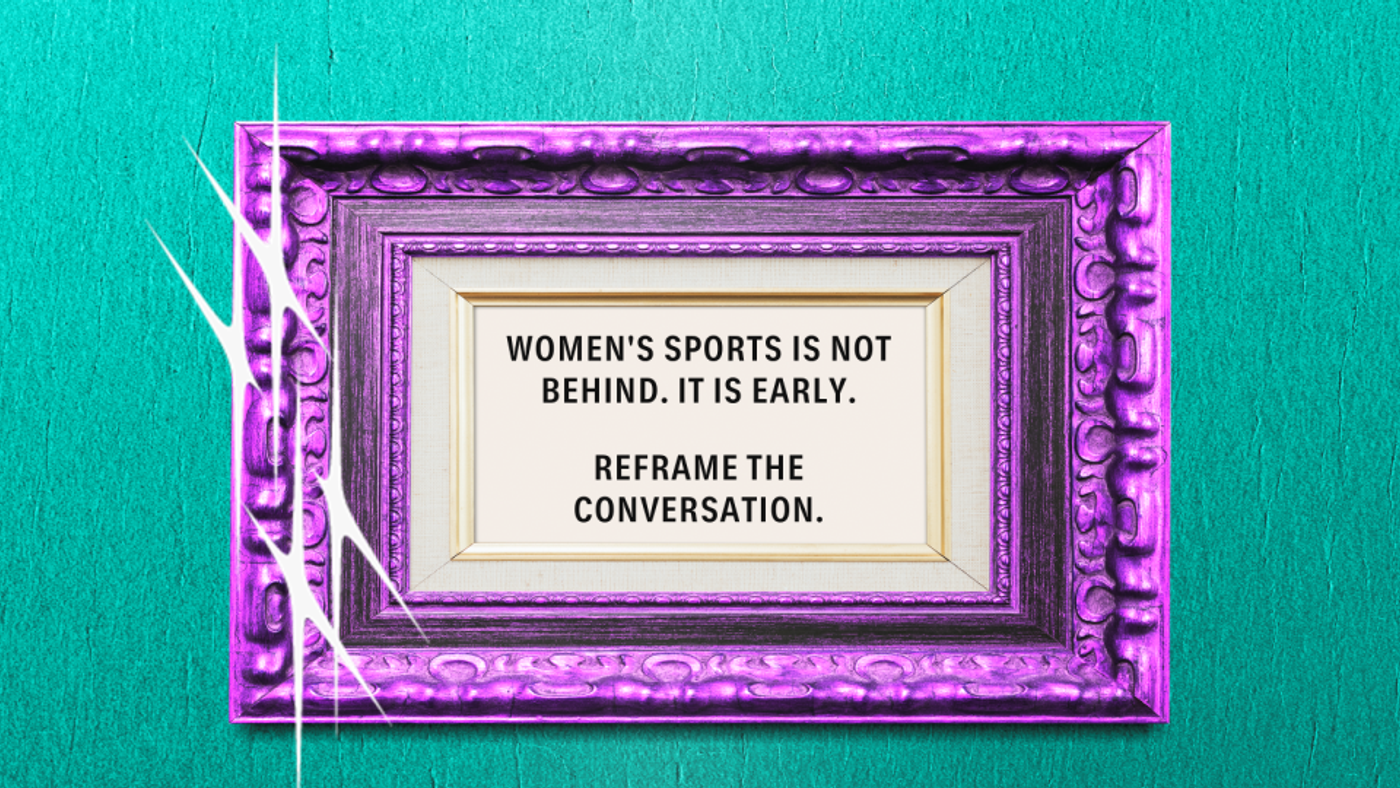
Reframe the conversation.
The standard story is that women's sports is behind, behind in investment, behind in media, behind the men's game.
Women's sports is not behind. It's early. And early is a completely different position.
Being early means you write the rules. You are not renegotiating contracts from the 1990s. You are not navigating governance structures designed to protect existing interests. You start with a real question: what should this actually look like?
Women's sports has history, players, and fans who have been loyal for a long time. But the format, the business model, the commercial structure. None of it has been built with female athletes or female fans as the primary design principle.
That is the blank page. And the blank page is the opportunity.
A new category of sports properties has already proved this works. Kings League raised 160 million euros. SailGP surpassed 200 million dollars in revenue in 2025, growing 20x since its first season in 2019. Unrivaled reached a 340 million dollar valuation in year one. Savannah Bananas fill 40,000 seats at every event. UFC was bought for 2 million dollars in 2001 and sold for 4 billion in 2016.
These properties share one thing: they were built for the economic environment we are actually in. They were not waiting for the broadcast rights moment. They owned their positioning and audience from day one.
In women's football, this category does not yet exist. A property designed with female athletes and female fans as the primary design principle.
Look at what Unrivaled did for basketball. It did not compete with the WNBA. It created a new reference point. It pulled investment, attention, and ambition toward the whole category. A well-built property lifts everything around it.
That is what we are building for women's football.
The Sensational League
Seven Sensational Principles
01. Players and fans at the center of everything.
The players are our product and our marketing machine. The fans are our customers and an invaluable part of the business. Every decision starts and ends here.
02. Question everything.
If it is not good for the players and fans and does not have a clear commercial or value angle, we remove it. Then we innovate.
03. Innovate.
From the competition format to the ball itself. Female players tear their ACLs up to six times more often than male players. The game is still played with a ball designed for men.
The Sensational Ball 4.5 changes that. 13% longer passes. 6% faster ball speed. Head acceleration reduced by 17%, below the concussion threshold. 40% lower biomechanical strain on knees.
Designed for female physiology and a faster game.
04. Incentivise.
Players get agency and a share in the upside. The competition format is designed so that player performance drives league value directly. Digital engagement and audience growth are scored and rewarded. Players are active business partners, not just performers.
05. Purpose.
We are building a community you cannot get around. One that works to amplify women's sports, on the pitch and beyond, through our community challenge competition. Women supporting women.
06. Break down silos.
This is sports, fashion, music, purpose, business, and content all at once. Bring an idea. We listen.
07. Have fun.
Who decided sport has to be so serious and controlled? Not us. We take the work seriously. Not ourselves. Guaranteed to entertain!
The Sensational League is the disruptor league that women's football has been missing. Designed for female athletes, the powerful female fan, and digitally native audiences. A sports entertainment property and a media platform, owned together from day one.
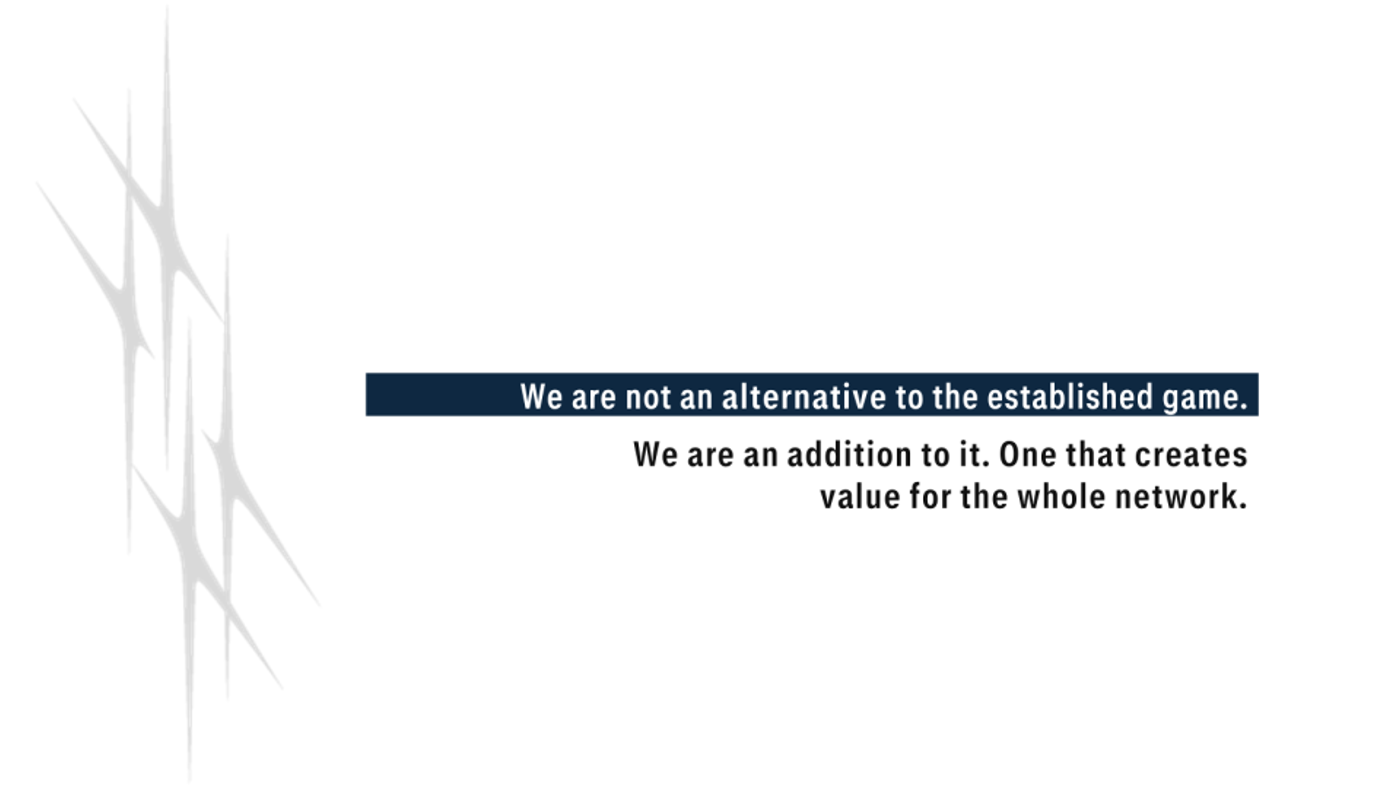
We are a strong addition to the established game, one that creates value for the whole network.
Season 1 starts August 29th, 2026. Copenhagen.
www.sensationalleague.com | bkuperman@sagasportsgroup.com
Sources
- Wasserman / The Collective: Global Female Sport Fandom Report, October 2024
- Deloitte: Sports Investment Outlook 2025; Football Money League 2024
- DataReportal: Digital 2024 Global Overview Report
- Nielsen: Sports Audience Report 2024
- Saga Sports Group: Sensational League Concept Overview and Format Overview v6.0, March 2026